Are you struggling with the discomfort and limitations caused by a rotator cuff injury? Meet John, an avid tennis player, who found himself wincing in pain whenever he tried to serve or swing his racket. The frustration of not being able to enjoy his favorite sport took a toll on his mental and physical well-being. Fortunately, he found physical therapy for rotator cuff repair to help him determine the cause of his discomfort and find a lasting solution so he could get back out on the court.
Read on to understand the symptoms and causes of a rotator cuff injury and the physical therapy techniques that can help you find lasting relief!
Unveiling the Shoulder’s Secret: Understanding Rotator Cuff Injuries
What exactly is a rotator cuff injury? It refers to damage or irritation to the group of muscles and tendons that surround the shoulder joint, providing stability and facilitating movement. Typically, it’s marked by pain and stiffness in your shoulder, especially when lifting your arm or reaching overhead.
For John, his rotator cuff injury became a setback to his athletic goals and active lifestyle. He had been practicing an additional two to three hours each day to prepare for a local competition. This dedication to preparing for the competition caused overuse of the muscles in his shoulder, which caused his rotator cuff injury. However, when John came in to work with our team at Goldman Physical Therapy in Englewood, NJ, he wasn’t sure what was causing his shoulder pain. The first step in his treatment plan was a comprehensive assessment of his symptoms and lifestyle, so we could identify the causes of his discomfort, a rotator cuff injury.
Symptoms of a Rotator Cuff Injury
Persistent Shoulder Pain
- A dull ache or sharp pain in the shoulder, particularly when lifting the arm or performing overhead activities. This pain may worsen at night, disrupting sleep patterns.
Weakness in the Shoulder
- Weakness in the affected shoulder, making it difficult to lift or move the arm, especially when reaching or carrying objects.
Limited Range of Motion
- Stiffness and decreased flexibility in the shoulder joint may occur, restricting movement and making everyday tasks challenging.
Audible Popping or Clicking
- Audible sounds, such as popping or clicking, when moving the shoulder, can indicate potential damage to the rotator cuff.
Common Causes of a Rotator Cuff Injury
Overuse or Repetitive Motion
- Engaging in repetitive activities that involve overhead arm movements, such as throwing, swimming, or painting, can place excessive strain on the rotator cuff tendons, leading to wear and tear over time.
Trauma or Acute Injury
- Sudden trauma, such as a fall, collision, or direct blow to the shoulder, can cause tears or strains in the rotator cuff tendons.
Age-related Changes
- As individuals age, the tendons of the rotator cuff may degenerate or weaken, making them more susceptible to injury, even with minimal stress or strain.
Poor Posture or Mechanics
- Incorrect posture or improper biomechanics during sports or daily activities can contribute to rotator cuff injuries by placing additional stress on the shoulder joint and surrounding structures.
In better understanding the potential symptoms and causes of rotator cuff injuries, you can take proactive measures to prevent injuries if you know you are at a higher risk or if you are already experiencing these symptoms you can seek treatment with our team at Goldman Physical Therapy.
Your Roadmap to Rotator Cuff Recovery
John’s journey toward recovery began with physical therapy, where he received personalized care to address his specific injury and functional limitations. Following John’s journey with our team, you can gain a glimpse at how we personalize treatment plans to fit your unique needs and symptoms.
Techniques & Methods We May Utilize
Therapeutic Exercises
- Therapeutic exercises are customized to each patient’s needs. For John, the exercises focused on strengthening the muscles around the rotator cuff and the muscles that offer support and stabilization to the shoulder joint. Range of motion exercises were utilized to help John regain full functional mobility, so he would be able to have a full range of motion to swing his racket.
Manual Therapy Techniques
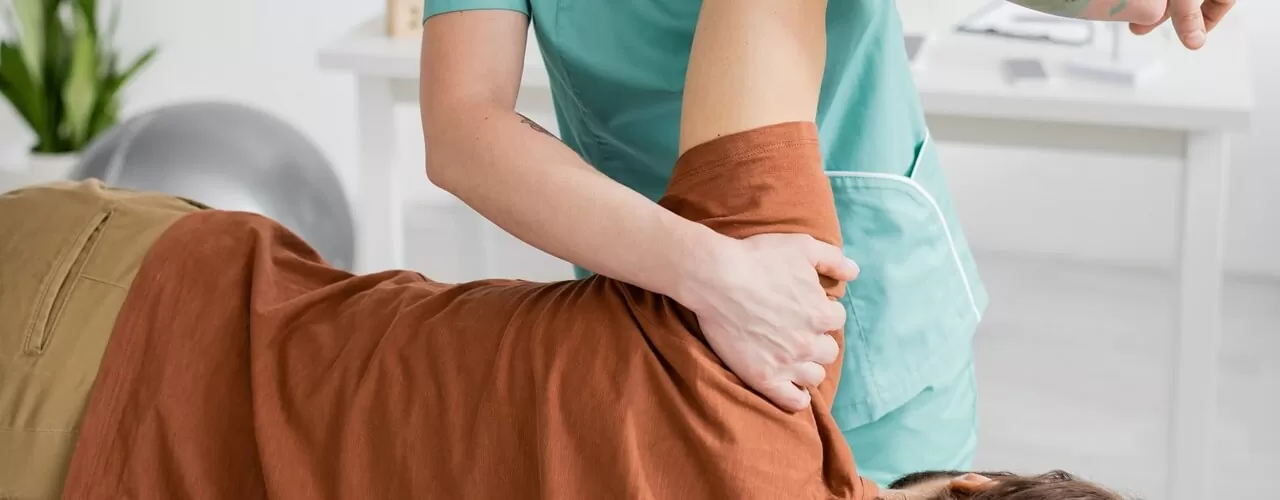
- Hands-on techniques, such as joint mobilizations and stretching, provided John with immediate relief from pain and stiffness. Manual therapy also promoted tissue healing and worked to restore range of motion.
Functional Training
- One of John’s goals was to return to tennis at the same level of performance that he had before his rotator cuff injury. To help him maintain his athletic performance, we incorporated sport-specific movements and activities to optimize functional outcomes.
Education and Home Exercise Program
- We provided John with education on proper posture, body mechanics, and home exercises to help John manage his condition and prevent future injuries.
Embracing the Future with Rotator Cuff Repair and Physical Therapy
If you’re experiencing symptoms of a rotator cuff injury, don’t let it hold you back from living life to the fullest. Seek the guidance and support of our experienced physical therapy team at Goldman Physical Therapy in Englewood, NJ to embark on your journey towards recovery. Call us today to learn more about rotator cuff repair and discover if this treatment is right for you. Your path to pain relief and restored function starts here!