

The Ins and Outs of a Good Fall Prevention Plan
Have you noticed that you aren’t quite as steady on your feet as you used to be? Do you find yourself avoiding your favorite activities or sticking close to home because you’re worried you might fall? You don’t have to live in fear: Goldman Physical Therapy offers dedicated fall prevention services to help restore both balance and confidence!
If you’re an older adult, it’s understandable that you might be concerned about falling. Falls are a significant source of injury and hospitalization among seniors. Furthermore, the fear of falling can profoundly impact your quality of life, as many people will avoid physical activity out of a misguided attempt to prevent falling.
Fortunately, the team at Goldman Physical Therapy has plenty of experience helping our older patients with fall prevention. We can help you identify and address your specific fall risks, improve your balance and stability, and find ways to get you moving with confidence again.
Don’t let fear of falling keep you from enjoying your golden years. Call us to schedule an appointment today!
Understanding Your Fall Risk
It’s important that every older adult understand their fall risk. Everyone’s risk is different; falls are complex, and multiple factors can contribute to a high risk of falling. The more risk factors you have, the more likely you are to suffer a fall.
Which of these factors apply to you?
- You’re 65 years or older.
- You’ve fallen before.
- You’re sedentary.
- You have certain medical conditions, such as arthritis, diabetes, or vascular disease.
- You’ve suffered a stroke.
- You have impaired mobility.
- You have impaired vision.
What’s Involved in a Fall Prevention Plan?
Getting active is one of the best things you can do to reduce your risk of falling. This is why the fear of falling can be so insidious, as it prevents people from engaging in the physical activity that can protect them from falls.
For that reason, a good fall prevention plan is actually a plan to help you get more active. We’ll work with you to identify the areas holding you back from a physically active lifestyle–whether that’s pain, instability, or something else–and address them.
Because we customize every fall prevention plan to suit the patient’s needs, no two plans are alike. However, we’ll generally pull from the following techniques:
- Pain Management: If persistent or chronic pain is holding you back, we can help address pain through manual therapy, gentle exercise, or pain-relieving modalities.
- Balance Training: The cornerstone of any fall prevention plan, balance training consists of specialized exercises that challenge your balance. We’ll increase the difficulty as you improve, ensuring you see results.
- Strength Training: Weak muscles, especially core muscles, are a significant source of instability. We’ll show you appropriate strength training exercises that will help improve your balance while standing and walking–and make it easier for you to recover from a momentary loss in balance.
- Gait Training: Your gait refers to your walking pattern, and you’re more likely to fall if it’s impaired. We’ll help correct gait issues so you can walk with confidence.
- Exercise Program: Once you’ve worked through our fall prevention plan, we’ll help you develop an exercise program, such as Tai Chi or a walking regime, to get you moving when you’re not in the clinic.
What To Expect During Your Sessions
Your initial appointment will consist of an in-depth physical evaluation that includes the following:
- A complete health history
- Examination of your particular fall risk factors
- Movement screens to evaluate gait, mobility, strength, and balance
- Discussion of your specific goals
This information helps us create the best fall prevention plan for your needs, which we’ll guide you through during subsequent appointments. We provide a space where you can exercise without fear of injury. We also always meet you at your current ability level–although we will help you improve by gradually increasing the difficulty of your exercises!
Find Your Balance Today!
Don’t let a fear of falling keep you from your favorite activities. The Goldman Physical Therapy therapists will help you get back on your feet–and stay there.
Call today to get started with an initial fall risk assessment.

Say Goodbye to Pain – Get Started with PT Now!
Rediscover pain-free living at Goldman Physical Therapy—schedule your appointment today and take the first step toward feeling your best again!
Our Patients Get Great Results
“Goldman PT is well run, I was always seen on time and everyone was very friendly. Most importantly I thought I had chronic pain in my neck and after only nine visits they were able to get rid of all of my pain. I highly recommend this business. I am so appreciative of the care I received!!”
-Courtney L.
Follow Us on Facebook!
Click the button below to follow Goldman Physical Therapy on Facebook to keep up to date with what we are doing around the clinic and community!


How to Grocery Shop for Healthy Options
When it comes to grocery shopping, there are many options. If you find your weekly trip to the grocery store overwhelming, you’ve come to the right place.
The best way to start your grocery shopping is by thinking about your preferences and needs. For example, do you want to lose weight? How many people are you feeding? Once you’ve determined these factors, make a list of everything you think you may need.
Keep in mind that a diet high in protein and low in carbohydrates has been proven to be the most effective for weight loss. Protein is a building block of muscle, and it stimulates the hormone that helps you feel full. Protein also helps you maintain muscle mass during weight loss, which can help you maintain your metabolism.
The most important thing to remember is that you should be eating a balanced diet. This means that you should avoid overeating any one type of food.
For example, if you are overeating sugar or processed food, it might be time to change your diet. When shopping in the aisles, try to avoid ultra-processed foods, foods with high sugar content, or excessive amounts of red meat.
Here is an example of what a healthy grocery list may look like:
- Fruits: apples, blueberries, clementines, grapefruits, and avocados
- Vegetables: broccoli, asparagus, onions, spinach, peppers, zucchini, sweet potatoes, baby red potatoes, and butternut squash
- Beans and grains: chickpeas, brown rice, black beans, and quinoa
- Proteins: eggs, salmon, and skin-on chicken breast
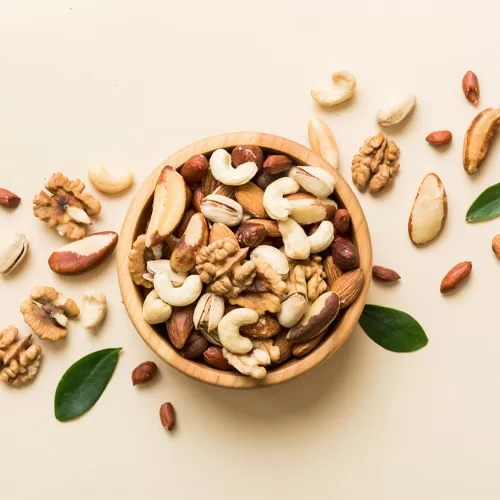
- Nuts and seeds: roasted almonds, pumpkin seeds, and natural peanut butter
- Dairy and nondairy substitutes: oat milk, coconut milk, feta cheese, and full fat Greek yogurt



Thank You for Subscribing to Goldman Physical Therapy

Warm up with this hearty Slow Cooker Irish Stew, a comforting and flavorful dish packed with tender meat, vegetables, and rich seasonings—perfect for cozy, wholesome meals! 🍀
Enjoy This Seasonal Recipe!
Slow Cooker Irish Stew
- 1 tablespoon olive oil, or to taste
- 2 pounds beef chuck roast
- 3 russet potatoes, diced
- 1 pound baby carrots
- 1 large onion, chopped
- 4 cloves garlic, minced
- 1 (16 ounce) bottle stout beer
- 1 (6 ounce) can tomato paste
- 1 cup beef broth
- 1 tablespoon garlic powder
- 1 tablespoon onion powder
- 1 tablespoon smoked paprika
- salt and ground black pepper
Heat olive oil in a skillet over medium heat. Add beef; cook until evenly browned, 3 to 5 minutes per side. Place potatoes, carrots, onion, and garlic in a slow cooker; top with browned beef. Pour 1/4 cup beer into the same skillet and bring to a boil while scraping the browned bits of beef off of the bottom of the skillet with a wooden spoon. Stir in tomato paste; cook until thickened, about 5 minutes. Pour beer mixture into slow cooker. Pour beef broth, remaining beer, garlic powder, onion powder, paprika, salt, and pepper into slow cooker. Cook on Low for 8 hours.


The Role of Therapeutic Exercise in Improving Balance and Stability
Our sense of balance is something many of us take for granted until it’s compromised. Whether you’re experiencing dizziness, unsteadiness, or balance issues related to a medical condition, therapeutic exercise can be crucial in your recovery and long-term stability.
Tailored Exercise Programs That Address the Root Cause of Balance Issues
Our McKenzie-trained therapists develop individualized exercise programs that progress systematically based on your specific needs and responses to treatment. These exercises are carefully selected and modified to address your particular balance challenges.
Static and Dynamic Balance Training
Balance training progresses from simple to more complex activities:
- Standing with feet together
- Single-leg stance exercises
- Walking with head movements
- Navigating around obstacles
- Performing balance tasks while thinking about other things
Strength and Mobility Training
Strong muscles and mobile joints provide a stable foundation for balance. We incorporate:
- Lower body strengthening exercises
- Core stability training
- Ankle mobility and strength exercises
- Hip stabilization techniques
Our therapists continuously monitor your progress, adjusting exercises as needed to ensure they remain challenging and effective. This personalized approach ensures that every session builds toward long-term stability and confidence.
The Benefits Beyond Balance
While improving balance is the primary goal, therapeutic exercise offers additional benefits:
- Increased confidence in daily activities
- Reduced risk of falls
- Improved posture
- Enhanced body awareness
- Greater independence in daily tasks
- Better overall physical fitness
Our goal is to equip you with the tools and knowledge to take an active role in your recovery and maintain your progress independently. With a consistent home exercise routine, you’ll feel empowered to continue your journey toward better balance and stability.
Contact us to learn how our therapeutic exercise programs can help you regain your balance and stability!
Meet Our Team

Dr. Aditi Patel, DPT
Doctor of Physical Therapy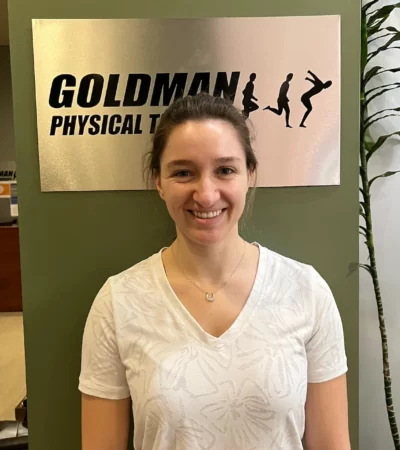
Dr. Haylee Alonso, DPT
Doctor of Physical Therapy