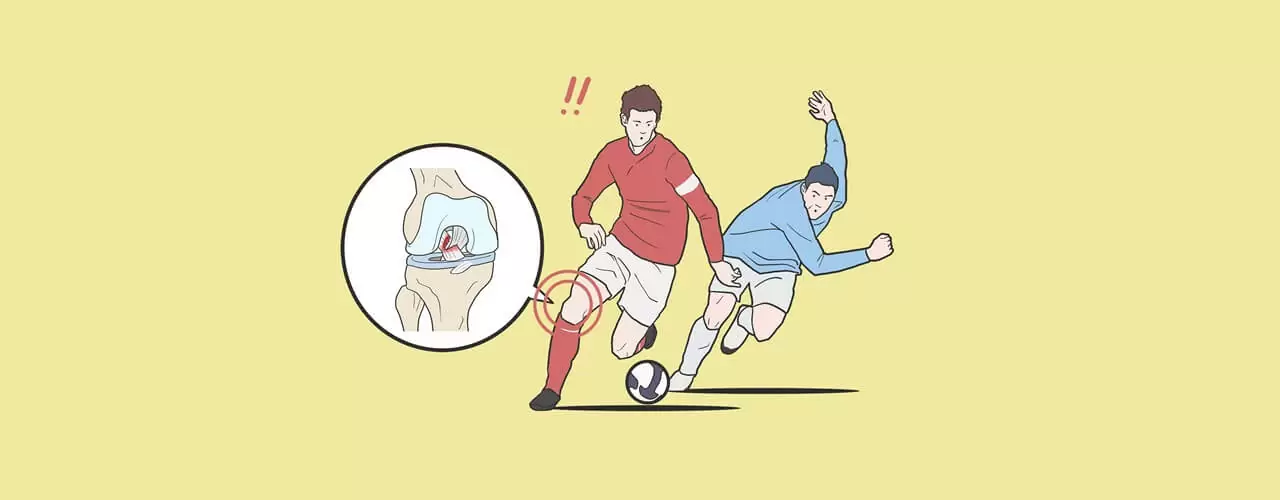
If you’re experiencing knee instability, swelling, or difficulty with particular movements, you may be suffering from an ACL injury. Depending on the severity of the ACL tear, ACL reconstruction may be necessary to restore stability and function in a knee.
Physical therapy is vital for recovery after ACL reconstruction surgery, helping you regain strength, flexibility, and confidence in your knee.
Behind the Tear: Unraveling the Symptoms and Causes of an ACL Tear
ACL reconstruction is a surgical procedure to repair a torn anterior cruciate ligament (ACL) in the knee joint. The ACL is one of the key ligaments responsible for stabilizing the knee and preventing excessive forward movement of the tibia (shinbone) in relation to the femur (thighbone).
Common Signs of an ACL Tear
Knee Instability
- Knee instability is the feeling of your knee giving out or buckling during activities involving pivoting or sudden changes in direction.
Swelling
- Persistent swelling in the knee joint, especially following physical activity or prolonged periods of standing.
Decreased Range of Motion
- You may experience difficulty fully straightening or bending your knee, which may contribute to stiffness and limited mobility.
Common Causes
Sports Injuries
- ACL tears often occur during high-impact sports activities that involve sudden stops, pivoting, or jumping, such as soccer, basketball, or skiing.
Traumatic Injuries
- Direct blows to the knee, falls, or motor vehicle accidents can cause significant trauma to the ACL, resulting in partial or complete tears.
Non-Contact Injuries
- ACL tears can also occur without direct contact, such as when landing from a jump or suddenly changing direction.
Understanding the causes and symptoms of ACL tears is crucial for seeking timely intervention and initiating appropriate treatment to restore knee function and prevent further complications.
Empowering Your Path: Steering Towards Strength and Stability After ACL Reconstruction
Physical therapy plays a vital role in the recovery process following ACL reconstruction surgery. Our team is committed to guiding you through the rehabilitation process and helping you regain confidence in your knee by achieving optimal outcomes.
How Physical Therapy Can Help With ACL Reconstruction Recovery
Early Rehabilitation
- Physical therapy begins shortly after surgery to reduce pain and swelling, improve range of motion, and prevent muscle atrophy.
Strengthening Exercises
- Targeted exercises focus on strengthening the muscles surrounding the knee, including the quadriceps, hamstrings, and calf muscles, to provide stability and support to the joint.
Balance and Proprioception Training
- Specialized exercises help improve balance, coordination, and proprioception, reducing the risk of falls and enhancing joint stability.
Functional Training
- Task-specific exercises simulate daily activities and sports movements to restore functional mobility and prepare you for a safe return to activities.
Manual Therapy Techniques
- Hands-on techniques such as joint mobilization and soft tissue manipulation are used to improve joint mobility, reduce scar tissue formation, and alleviate pain.
Our physical therapy treatments are tailored to your individual needs and goals, ensuring that you receive personalized care and support throughout your recovery journey. We’re here to empower you to achieve long-term knee stability and return to the activities you love.
Empower Your Knee Health: Taking Control After ACL Reconstruction
As you navigate the road to recovery after ACL reconstruction surgery, remember that you hold the power to reclaim your knee health and mobility. With the right treatment plan and dedicated support, you can regain confidence in your knee and return to the activities you love.
Contact our team at Goldman Physical Therapy in Englewood, NJ today to learn more about ACL reconstruction recovery and discover how physical therapy can help you achieve your goals. Take control of your knee health!