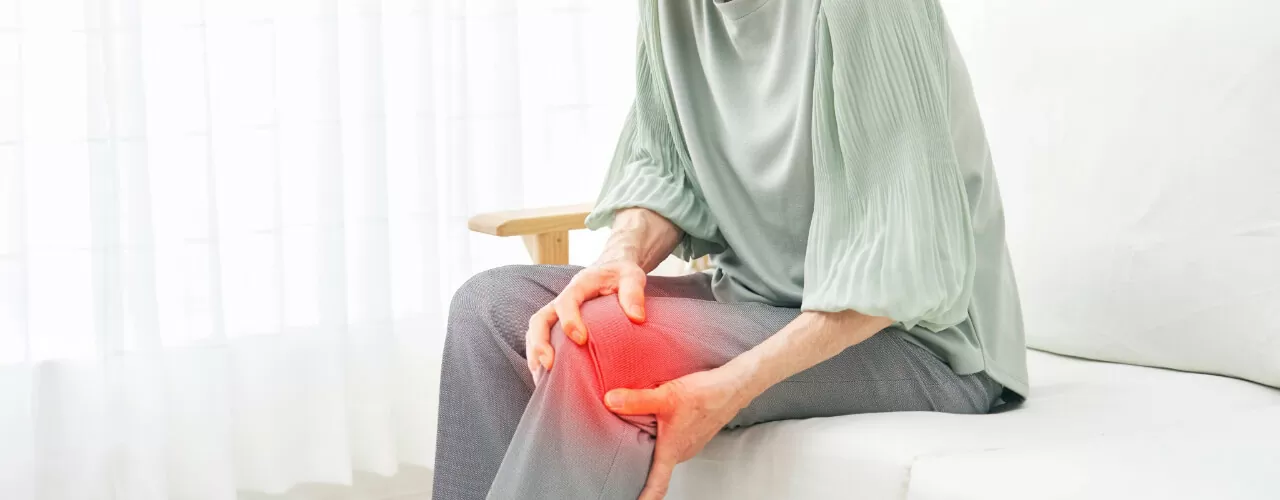
Knee pain can limit more than just movement—it can diminish quality of life. For older adults, it’s a common challenge that impacts everything from climbing stairs to enjoying time with family. At Goldman Physical Therapy, our experienced team of physical therapists provides personalized care to address knee pain in older adults, helping patients regain mobility, reduce discomfort, and maintain an active lifestyle.
Top Causes of Knee Pain in Older Adults
Understanding the primary causes of knee pain helps physical therapists create effective, individualized treatment plans. For older adults, the most common culprits include:
Osteoarthritis
- Osteoarthritis (OA) is a degenerative joint disease caused by the gradual breakdown of cartilage in the knee. Without this protective cushioning, bones can rub together, resulting in pain, stiffness, and swelling. OA typically develops over time and is more common in older adults, especially those with a history of joint injuries or repetitive stress on the knee. Left untreated, OA can significantly limit mobility and worsen over time.
Meniscal Tears
- The menisci are cartilage structures that act as shock absorbers in the knee joint. With age, these structures become less resilient and more prone to tears, even from minor movements like twisting or squatting. Meniscal tears can cause pain, swelling, and a feeling of instability in the knee, making it difficult to bear weight or move comfortably.
Patellofemoral Pain Syndrome (PFPS)
- Often referred to as “kneecap pain,” PFPS occurs when the cartilage behind the patella (kneecap) wears down or when the kneecap becomes misaligned. This condition is common among older adults with arthritis or a history of repetitive stress on the knee joint. Symptoms include pain during activities like walking, climbing stairs, or sitting for extended periods.
These conditions highlight the importance of early intervention and a structured approach to managing knee pain in older adults.
The Physical Therapy Process for Knee Pain in Older Adults
Physical therapy offers a comprehensive solution for knee pain, addressing the root causes while improving overall joint health. At Goldman Physical Therapy, the therapy process begins with a thorough evaluation and progresses to a customized treatment plan designed to meet each patient’s unique needs.
Comprehensive evaluation:
- The journey to recovery starts with a detailed assessment. This evaluation allows therapists to pinpoint the causes of knee pain and tailor treatments accordingly. Key components of the evaluation include:
Medical history review:
- Understanding previous injuries, surgeries, or chronic conditions that may contribute to knee pain.
Physical examination:
- Assessing the knee’s range of motion, strength, alignment, and stability to identify areas of dysfunction.
Movement analysis:
- Observing how the patient performs everyday activities, such as walking or standing, to detect compensatory patterns or imbalances.
This comprehensive evaluation forms the foundation for a targeted, effective therapy plan, ensuring every aspect of the patient’s condition is addressed.
Developing the Treatment Plan
Once the evaluation is complete, therapists work with patients to create a personalized program that focuses on long-term improvement. Proven physical therapy methods used at Goldman Physical Therapy include:
Joint mobilization:
- Gentle techniques to enhance range of motion and reduce stiffness.
Strengthening:
- Targeting muscles that support the knee joint to improve stability and function.
Balance training:
- Exercises to enhance coordination and reduce the risk of falls are especially important for older adults.
Therapists also prioritize patient education, teaching individuals how to modify movements or activities to protect their knees during recovery and beyond. Collaboration between the patient and therapist ensures that progress is steady and sustainable.
Supporting Joint Health for the Long Run
While physical therapy provides significant relief from knee pain in older adults, maintaining joint health requires ongoing attention. Older adults can take proactive steps to keep their knees strong and mobile:
Stay active:
- Engage in low-impact activities to maintain mobility and strength.
Practice good posture:
- Proper alignment during sitting, standing, and movement reduces unnecessary strain on the knees.
Seek early intervention:
- Addressing knee pain promptly prevents it from worsening and supports better long-term outcomes.
At Goldman Physical Therapy, our commitment extends beyond the therapy sessions. We provide patients with the knowledge and tools to protect their knees and enjoy a more active life!